
Predictive Dynamics for a Greener Tomorrow
How deep learning architectures are restructuring Canada's provincial power grids through real-time equilibrium.
Explore Case StudyReal-Time Data Processing
Ever wondered how a grid handles millions of smart meter pulses every second? At [[COMPANY_NAME]], we've transitioned from reactive emergency responses to proactive algorithmic load balancing.
Our Deep Learning models ingest streaming data from across the Canadian shield, identifying patterns in residential consumption and industrial demand before they even peak. This isn't just data—it's the pulse of our infrastructure.
- Edge-computing deployment for micro-second smart meter ingestion.
- AI-driven grid stability protocols tailored for unpredictable Canadian winters.
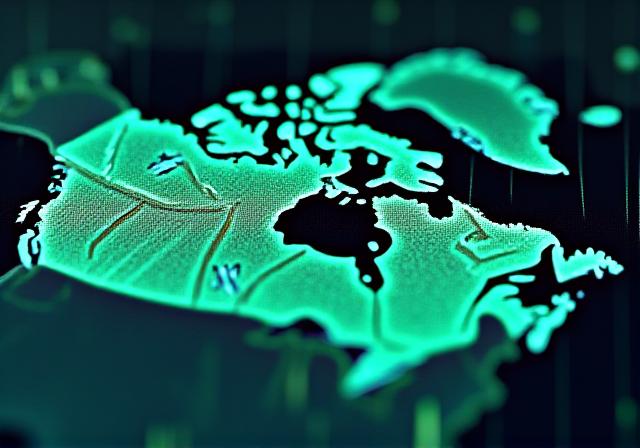
Predictive Demand Modeling
Algorithmic precision in reducing clean tech waste.
Comprehensive Waste Reduction Methodology
We're not just moving energy; we're eliminating the friction in the transition. Our proprietary neural networks analyze thermal patterns and hydraulic levels in real-time, allowing wind farms to preemptively shift output to storage before local saturation occurs. This reduces 'curtailment' losses by nearly 22% on average.
Read Full Analysis0.05ms
Micro-second adjustment variables for frequency regulation.
2026 Roadmap
Integration timeline for Atlantic provincial grid corridors.
Carbon Offset
Tracking direct CO2 reduction through efficiency gains.
Distributed Nodes
Management of decentralized solar cooperatives.
Smart Infrastructure Growth
Canada's commitment to net-zero requires more than just hardware. It requires a digital nervous system. Our team is currently deploying AI-integrated smart transformers that communicate autonomously to prevent brownouts during peak heatwaves, ensuring that clean tech infrastructure is resilient as well as productive.
"Why did we choose [[COMPANY_NAME]]? Because their AI models didn't just predict our energy needs—they actually anticipated the regional surge during the 2025 deep freeze before our own sensors caught it. Highly recommended for any municipal grid operator."
Parixit Barrera
Director of Infrastructure, Northern Power Alliance