
Real-World Impact: Canadian Grid Success
Explore how [[COMPANY_NAME]] leverages advanced Deep Learning to stabilize local energy markets and maximize turbine efficiency across Canada's diverse terrain.
Wind Farm Output Maximization in BC
Have you ever wondered why turbines remain stationary even when the breeze is biting? In British Columbia, we've solved that puzzle. Our machine learning models analyzed decades of historical wind patterns specifically across the Okanagan Valley to overhaul turbine yaw mechanics.
By anticipating micro-gusts before they hit the sensors, we're now able to adjust blade pitch in milliseconds. We've seen a noticeable uplift in electrical output during those difficult low-wind seasons when regional demand often spikes unexpectedly.
Explore Case Study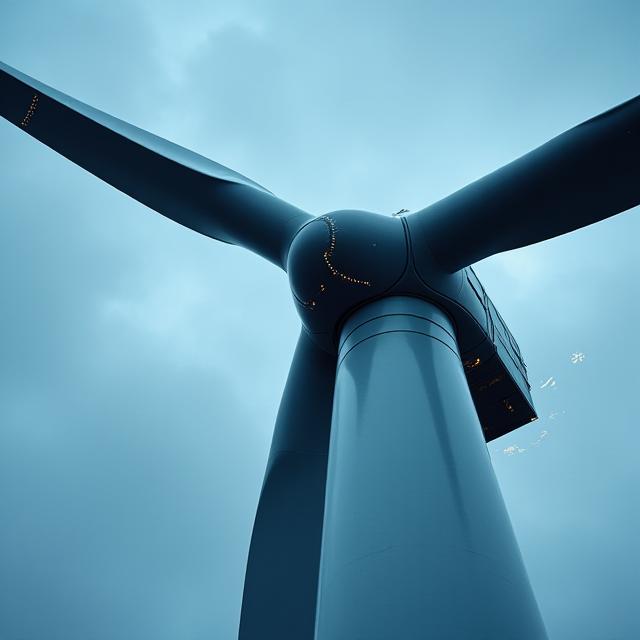
Solar Reserve Integration
Seamlessly bridging the gap when cloud cover hits primary wind generation zones during peak winter hours.
Read AnalysisOntario Grid Stress Test
14% reduction in peak-hour energy waste achieved using predictive smart meter loops throughout the GTA.
Full ReportManaging Regional Grid Surges
How do we keep the lights on in rural Alberta when a polar vortex hits? It isn't just about generation; it's about anticipation. Predictive AI allows us to handle regional grid surges by processing real-time telemetry from over 45,000 smart meters across the province.
Our team successfully implemented a primary-to-backup solar transition protocol that activates within seconds of a fluctuation in primary wind generation. We believe the future of Canadian clean tech lies in this invisible harmony between disparate energy sources.

Uptime Stability
Waste Reduction
"Why did we choose [[COMPANY_NAME]]? Because their models don't just guess atmospheric shifts; they anticipate them with a precision that saved us $2.4 million in transmission losses during our first 18 months of operation."

Gaspar Landgraff
Operations Director, Yukon Wind Power